
Story by Elana Gordon, Aaron Steckelberg, Leslie Shapiro (msn.com)
Overdose deaths have reached record levels in the United States in recent years. Despite signs of decline, the number of people dying nationwide from overdoses has eclipsed 100,000 annuallybetween 2020 and 2023, according to national health data.
But an opioid overdose doesn’t have to be fatal if a person gets help in time. Naloxone is a common type of medication that can immediately reverse an opioid overdose. Nasal spray versions such as Narcan became available without a prescription in pharmacies last year, and many community groups and localities distribute it free, amid growing nationwide efforts to expand access.
“Really, the training is minimal. It’s very easy to use,” said Robert Baillieu, a primary-care physician and senior adviser at the Substance Abuse and Mental Health Services Administration.
But to use naloxone and save a life, a person has to be in the right place at the right time, and know how to identify an overdose and what to do next.
The Washington Post spoke with more than a dozen people who responded to an overdose or were revived from one about what the experience is like. Here are some of their accounts.
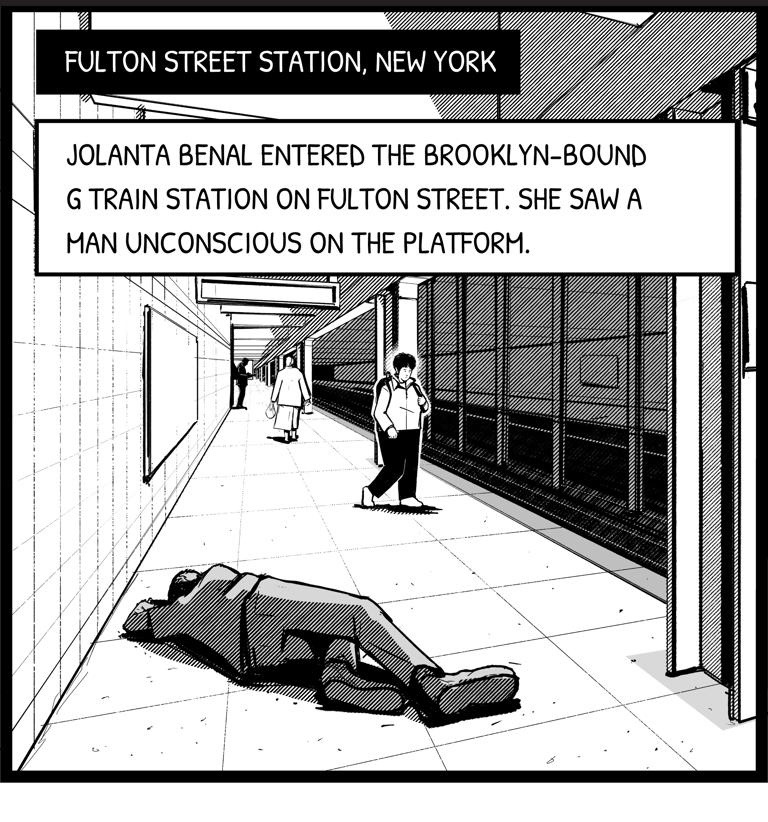
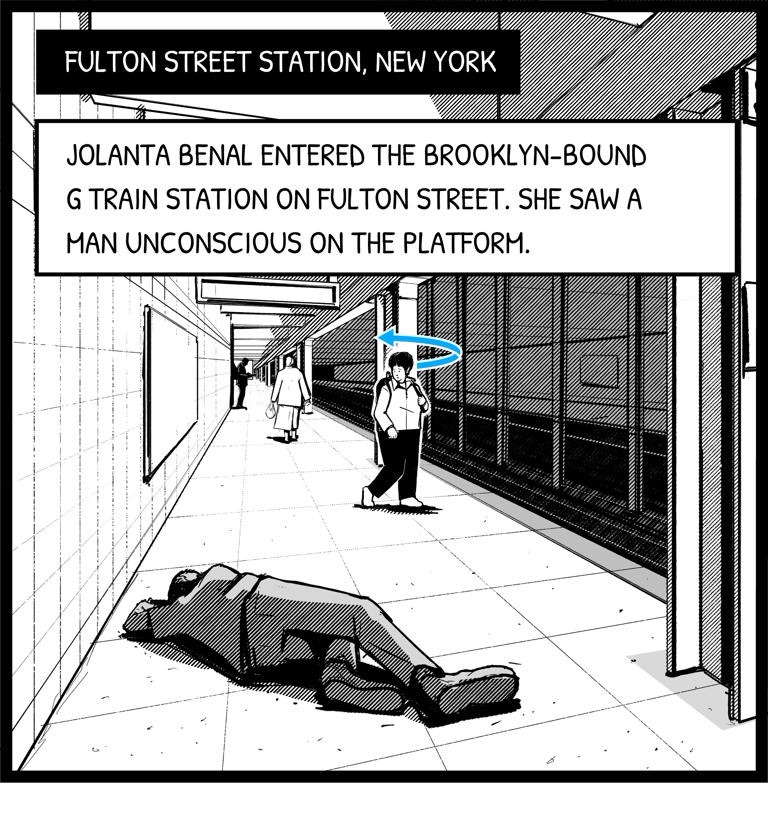
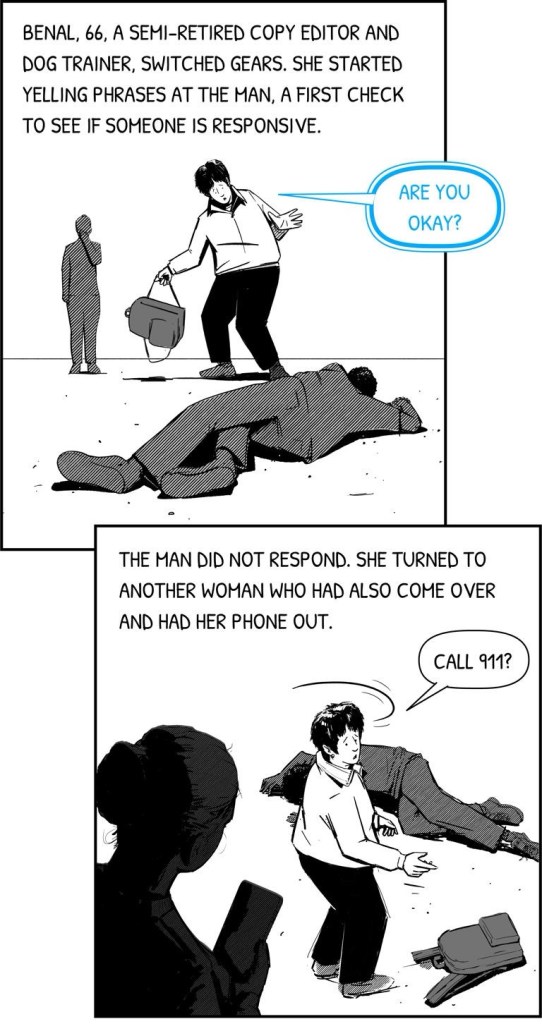
She found an unconscious stranger. Narcan revived him.
How to recognize an overdose
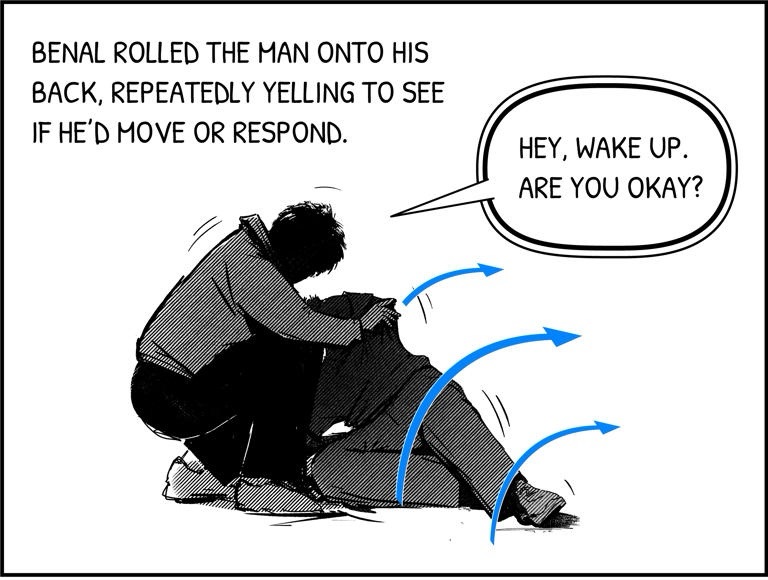
If you think someone might have overdosed, first do a verbal test, loudly talking to the person to see if they’ll respond. Say something like: “Hey! Are you okay? Hi, friend. Are you good?”
If someone is responsive, they’re not overdosing, said David Juurlink, a physician and professor of clinical pharmacology and toxicology at the University of Toronto. Beyond that, Juurlink views overdosing as a spectrum, from mild opioid poisoning, where a person might be nodding off, to complete unresponsiveness and not breathing. “Sometimes it can be subtle,” he said.
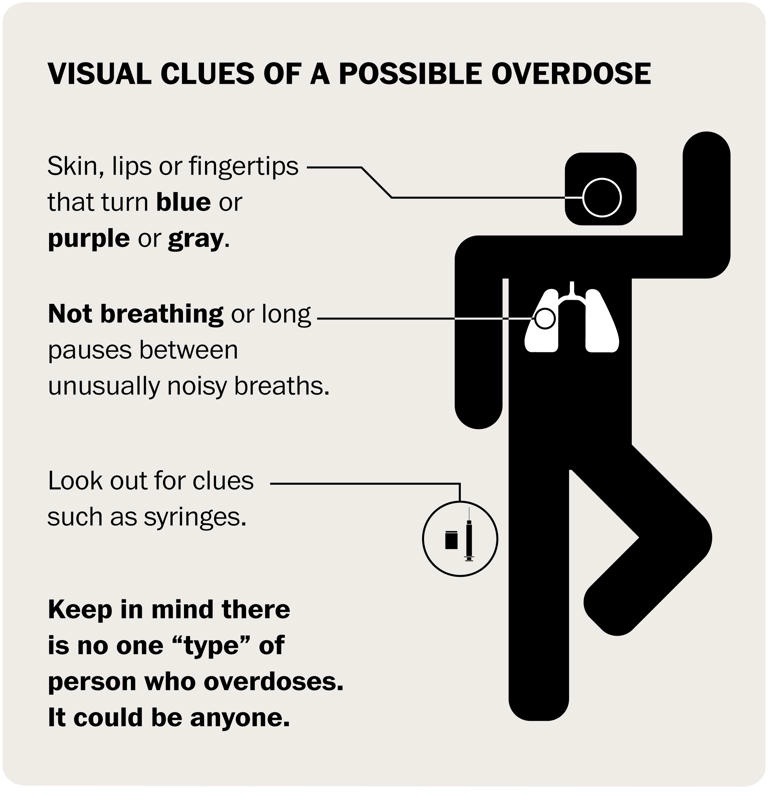
During an opioid overdose, a person’s skin, lips and fingertips might start turning blue if they’re lighter-skinned, or gray if they’re darker-skinned. Their eyes might not react to light, and their pupils might look smaller.
Very slow, shallow breathing or long pauses between unusually noisy, snoring-like breaths or wheezing — such as once every 15 to 60 seconds — is another danger sign. Or a person might not be breathing at all.
Click here for the rest of the full article. Cover photo from pixabay.com
 Kids of Overdose Podcast
Leave a comment